
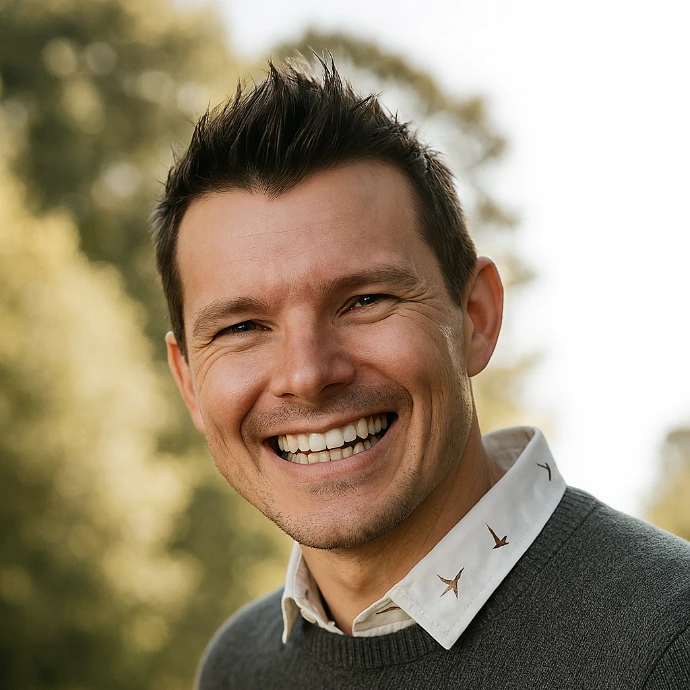
By David Skoppek
Head of Fundraising and Communication
Alongside clarity of vision, there must be clarity of need
Financing children’s and youth ministry is often seen as one of the biggest barriers facing churches today, but from my experience as Head of Fundraising and Communications at CPAS, I’ve come to believe the real issue is rarely a lack of money, it’s a lack of clarity. When a church is clear about what it is trying to do and why it matters, funding becomes far more accessible. The starting point is always vision. Before approaching any funder, you need to be confident in your ministry model: who you are, what need you’re addressing, and what change you’re trying to bring about in the lives of young people.
In my work with churches, I often encourage leaders to think in terms of a “theory of change.” This simply means tracing a line from the need you see today to the outcome you long to see in the future. Perhaps you are in a community where there is little or no provision for young people, or where schools are struggling to support those on the margins. From that starting point, you begin to map out what activities you will run and how those activities will lead to measurable change, whether that’s increased engagement, stronger relationships, or young people growing in confidence and faith. Ultimately, funders are not investing in your activities alone; they are investing in the difference those activities will make.
In my work with churches, I often encourage leaders to think in terms of a “theory of change.” This simply means tracing a line from the need you see today to the outcome you long to see in the future. Perhaps you are in a community where there is little or no provision for young people, or where schools are struggling to support those on the margins. From that starting point, you begin to map out what activities you will run and how those activities will lead to measurable change, whether that’s increased engagement, stronger relationships, or young people growing in confidence and faith. Ultimately, funders are not investing in your activities alone; they are investing in the difference those activities will make.
Alongside clarity of vision, there must be clarity of need. One of the most common mistakes I see is assuming that the need is self-evident. Funders don’t make that assumption, they expect you to demonstrate it. That means gathering real evidence: listening to young people and families, drawing on local statistics, observing what is happening in your community, and being aware of wider national trends. When these pieces come together, they form a compelling and credible picture of why your ministry matters and why it deserves investment.
Of course, understanding where to find funding is equally important. Churches often limit themselves to one or two income streams, but in reality, there are many: individual giving, major donors, legacies, corporate partnerships, and community fundraising events all have a role to play. However, one of the most significant opportunities lies in trusts and foundations. There are numerous grant-making bodies that are actively looking to support work with children and young people. The key is not simply to apply widely, but to apply wisely. That means taking the time to research each funder, understanding their priorities, and ensuring your project aligns with what they are seeking to fund.
When it comes to making an application, I always remind people that every funder is essentially asking the same set of questions. They want to know who you are, what you’re trying to achieve, why you are the right organisation to do it, and how you will measure success. They want to understand how much money you need, what you’re asking them to contribute, and what will happen once their funding comes to an end. If you can answer those questions clearly and concisely, you are already a long way towards a strong application.
But a strong case for funding is not just about words, it must be backed up by a well-thought-through plan of activity. Whether you are running Sunday groups, midweek youth spaces, mentoring programmes, or engaging with local schools, each activity should be intentionally designed to contribute towards your overall outcomes. Just as importantly, those you are serving should have a voice in shaping what you do. Funders increasingly expect to see genuine participation, whether through conversations, surveys, or more structured feedback processes. When young people help shape the ministry, it not only improves the work itself but also strengthens your funding case significantly.

Improving Spaces
A online gathering for leaders and PCCs involved in a church building project where raising funds is a critical part of the project.
- Date: Thursday 9 July 2026
- Time: 10-11am
- Cost: Free
Another area where many churches struggle is in understanding the true cost of ministry. It’s easy to calculate the visible costs—staff time, equipment, resources—but these are only part of the picture. To be sustainable, you need to think in terms of full cost recovery. This includes employer contributions, overheads, training, management time, and administrative support. What might initially look like a modest hourly rate quickly increases once these factors are included. If you don’t account for them, you risk underfunding your work and placing strain on your ministry in the long term.
Finally, successful fundraising requires a plan. Too often, churches approach fundraising reactively—responding to immediate needs rather than working strategically. A good fundraising plan sets out a clear target, a realistic timeline, and a pipeline of funders to approach. It also recognises that not every application will succeed. By assessing the likelihood of success and spreading risk across multiple funders, you can build a much more reliable income stream.
At its heart, financing children’s and youth ministry is about more than raising money. It is about aligning vision, evidence, and strategy in a way that inspires confidence and investment. When that alignment is in place, funding becomes not a barrier, but a catalyst—enabling churches to create environments where children and young people can flourish, feel safe, and encounter lasting transformation.
What every funder wants to know:
- Who are you?
- What is the need you’re addressing?
- Why are you best placed to address this?
- What do you intend to do?
- How will you know if you’ve been successful?
- How much do you need?`
- What are you asking for?
- How do you intend to sustain this after the grant has been spent?
5 key points to remember:
- Start with clarity, not cash
- Money follows vision. Be absolutely clear about what your ministry is trying to achieve, the need it addresses, and the difference it will make. A well-defined purpose is the foundation of every successful funding bid.
- Prove the need with real evidence
- Don’t assume funders will take your word for it. Use stories, data, local insight, and national trends to show why your ministry is necessary and urgent. Strong evidence builds credibility.
- Target the right funders
- Not all funding is equal. Focus your efforts on trusts and organisations whose priorities align with your work, and take time to understand their criteria before applying.
- Know your true costs
- Always budget for full cost recovery, including hidden expenses like overheads, training, and support. Underestimating costs is one of the quickest ways to undermine your ministry’s sustainability.
- Plan for long-term sustainability
- Funders aren’t just investing in a project—they’re investing in lasting change. Show how your ministry will continue beyond the initial grant and how you will build a stable financial future